
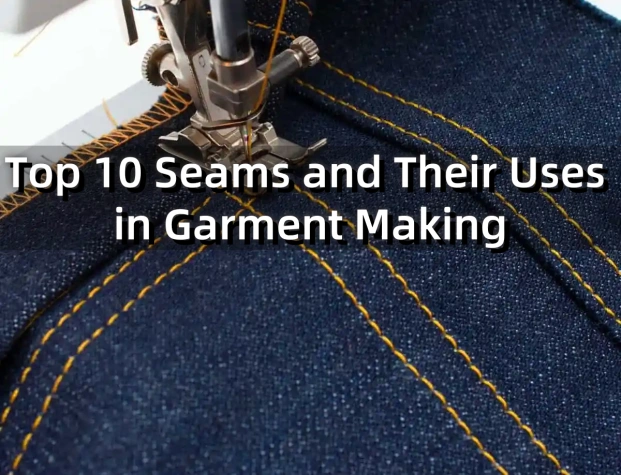
The Most Common Sewing Techniques in Garment Manufacturing
By Jun
The choice of seam type in garment making directly affects the garment's appearance, durability, and comfort. Different seam types are suited for different fabrics and garment styles. Below are some commonly used seam types, along with their descriptions, pros, cons, and main uses:
The Role of Seam Construction in Garment Manufacturing: Ensuring Durability, Fit, and Aesthetics
Sewing or seam construction is a core process in garment making, where different fabric pieces are joined together to form the complete garment structure. Depending on the design requirements and fabric characteristics, various stitching techniques are used, such as plain seams, French seams, and bound seams, to ensure that the seams are not only strong and durable but also aesthetically pleasing. Different seam techniques can provide various functions, such as enhancing strength, preventing fraying, adding elasticity, or providing decorative effects, and are widely used in the production of various types of clothing.
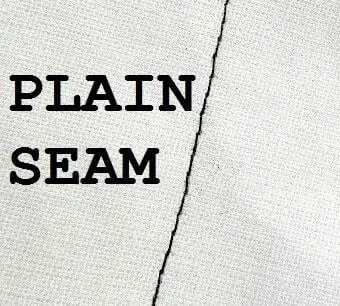
1. Plain Seam
- Description: The simplest type of seam, where two pieces of fabric are joined together by stitching along the edge.
- Uses: Suitable for most general garments, such as shirts, skirts, and pants made from medium-weight fabrics.
- Key Feature: Easy to sew and cost-effective, but the raw edges need to be finished to prevent fraying.
2. French Seam
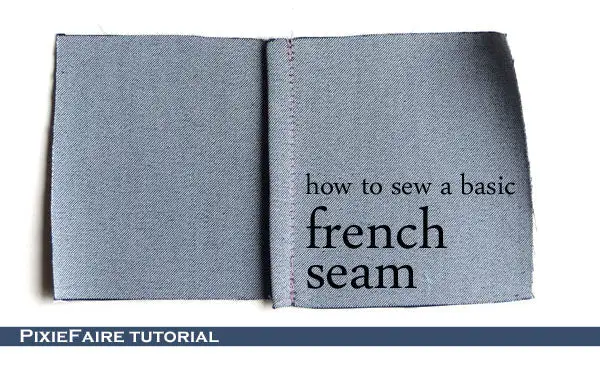
- Description: A seam where the raw edges are enclosed inside the seam, providing a neat, finished look on both the inside and outside.
- Uses: Common in fine, delicate fabrics like chiffon, silk, and lingerie.
- Key Feature: Ideal for garments where both the interior and exterior finishes are important.
3. Flat-Felled Seam
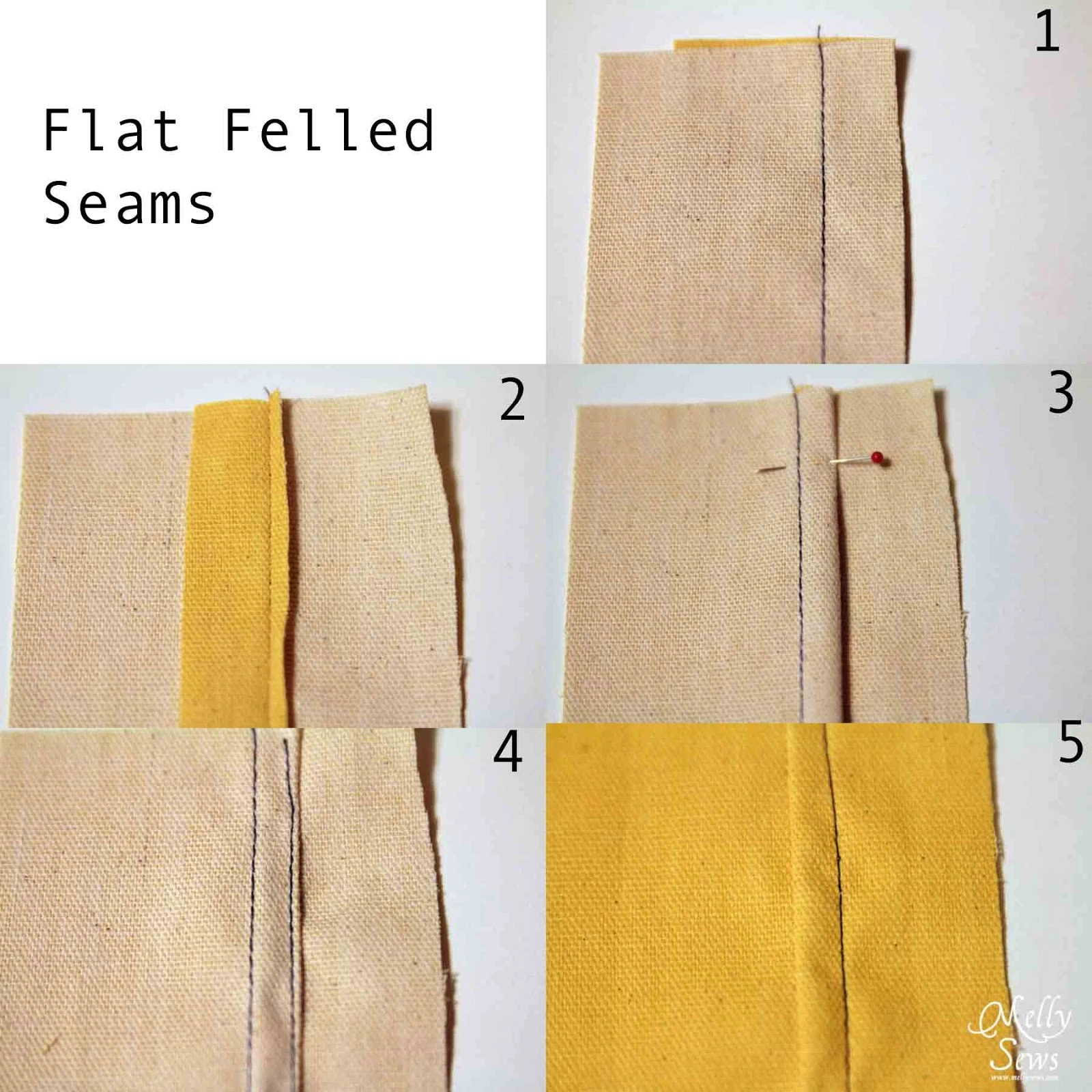
- Description: A strong seam created by folding the raw edges of the fabric over and stitching them down, making it ideal for durable garments.
- Uses: Often used in denim, workwear, and sportswear, where strength and durability are essential.
- Key Feature: Offers a clean, professional finish and added strength, particularly in heavy fabrics.
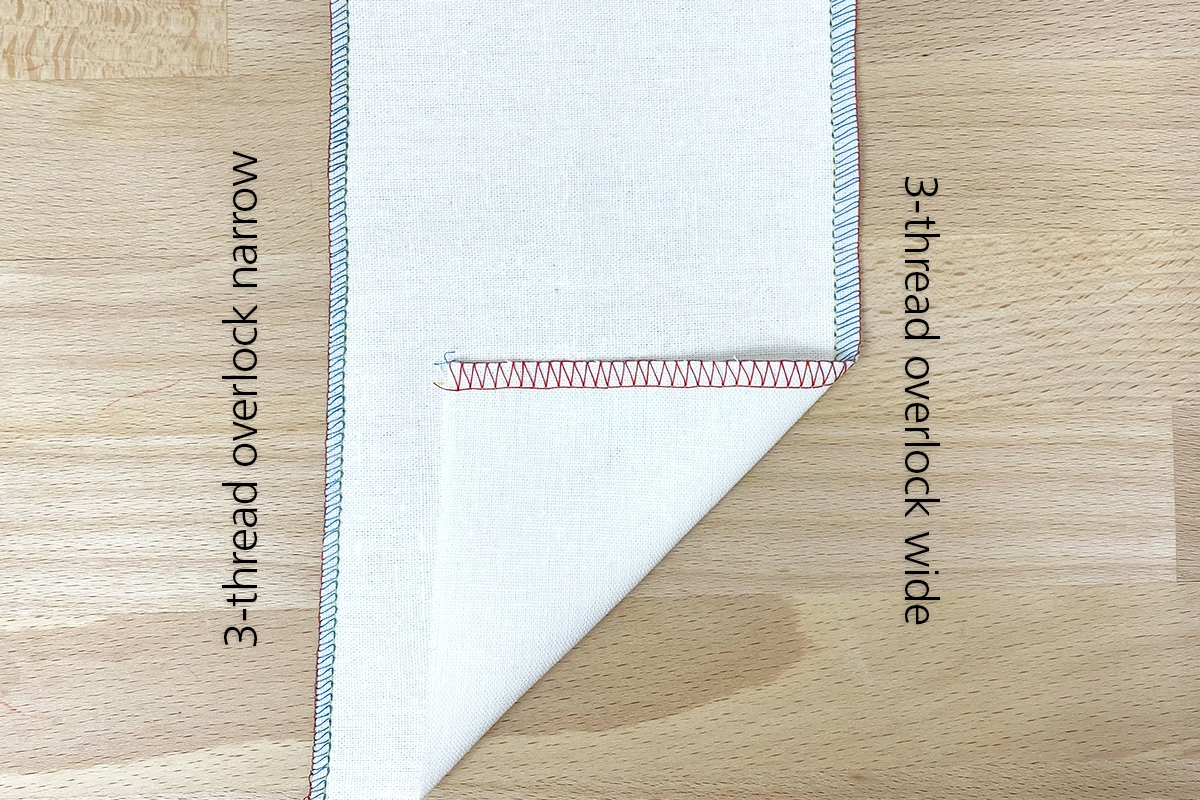
4. Overlocked Seam (Serger Seam)
- Description: A method of finishing the fabric edges with an overlocker or serger machine to prevent fraying and provide strength to the seam.
- Uses: Widely used in mass production of casual wear, T-shirts, and knitwear.
- Key Feature: Fast and efficient for sewing garments with stretchy fabrics, though not always aesthetically pleasing for high-end garments.
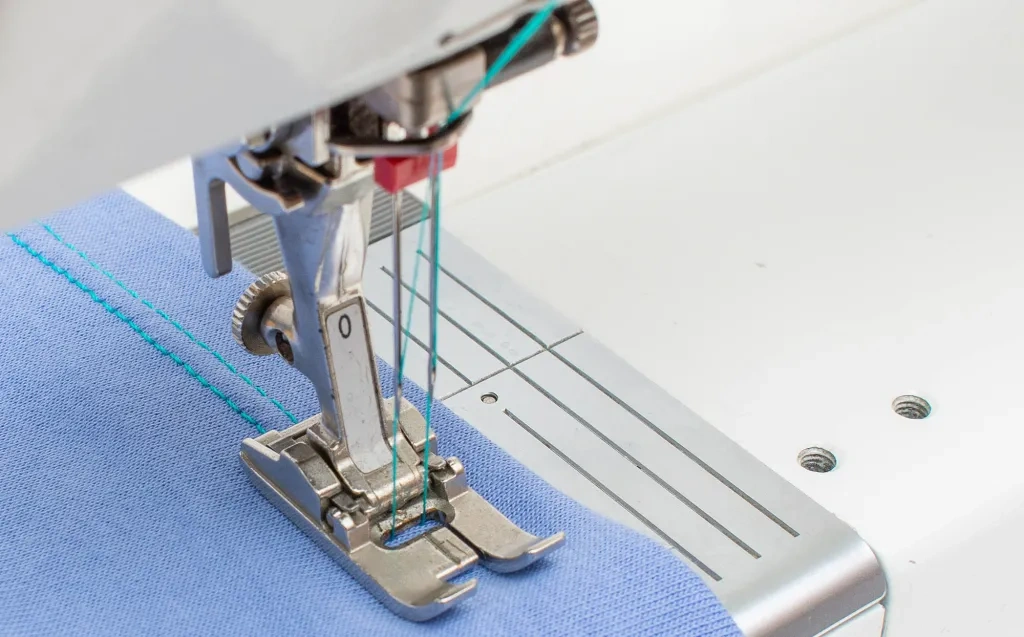
5. Double-Needle Seam
- Description: A seam where two parallel rows of stitching are used to reinforce the fabric, commonly used for stretchy fabrics.
- Uses: Ideal for activewear, T-shirts, and any garment made from stretch fabrics.
- Key Feature: Provides extra strength and a neat finish, especially in garments subjected to stretching.
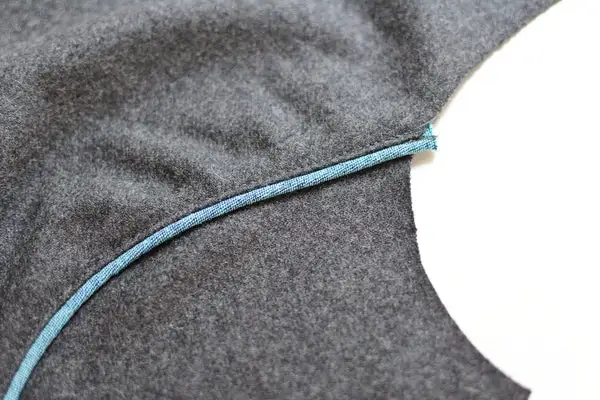
6. Piped Seam
- Description: A decorative seam where a strip of fabric (piping) is inserted between two fabric pieces, often adding a polished finish.
- Uses: Common in outerwear, jackets, and shirts where a decorative element is desired.
- Key Feature: Adds both a decorative and functional element to the garment, though it can be more complex to sew.
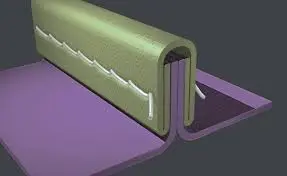
7. Bound Seam
- Description: A technique where the raw edges of the fabric are wrapped with a binding material (usually bias tape) and sewn down, creating a neat and professional finish.
- Uses: Often used for unlined garments, vintage-style clothes, or high-quality couture pieces.
- Key Feature: Prevents fraying and offers a clean look, but requires more time and skill to execute.
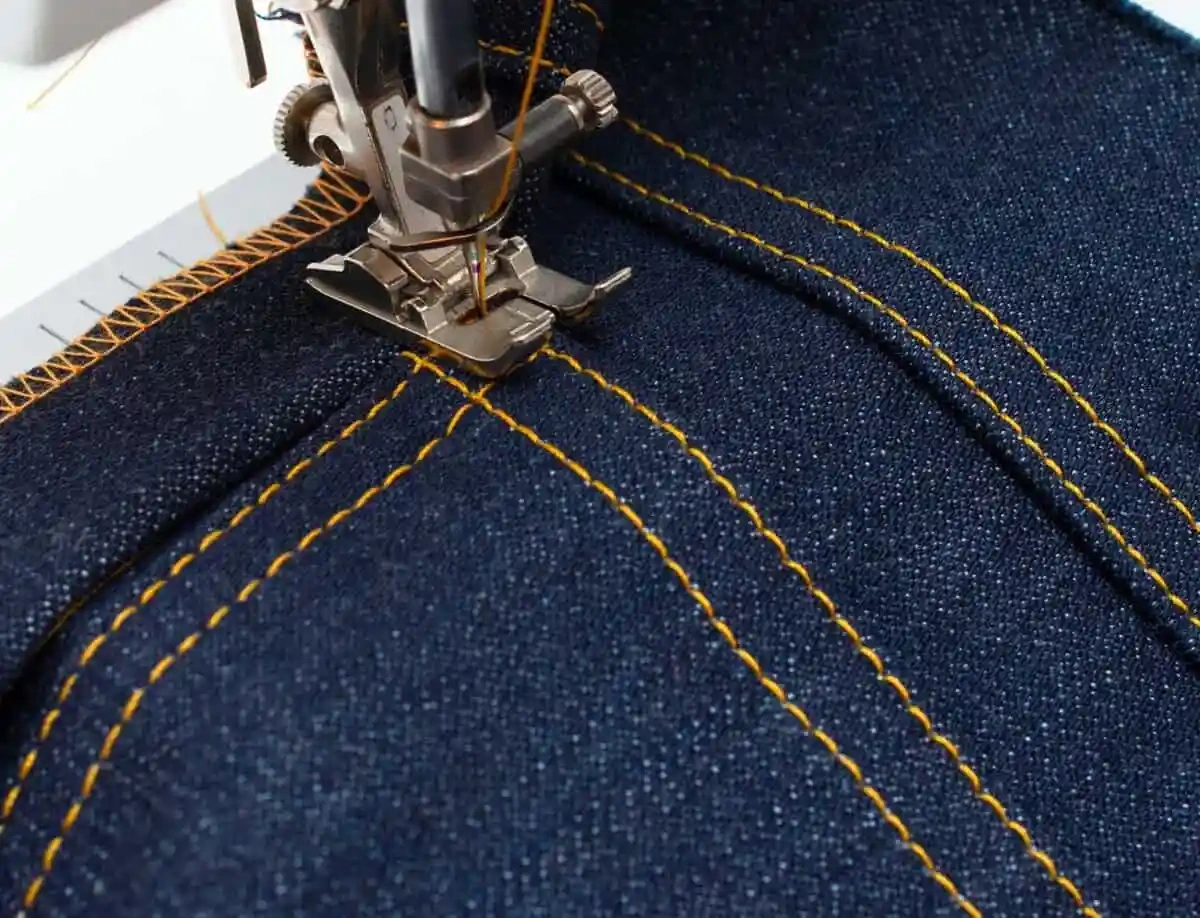
8. Topstitching
- Description: A decorative stitching method where visible stitches are added along the seam to provide reinforcement or visual interest.
- Uses: Common in casual wear, jeans, jackets, and areas where strength and decoration are both needed.
- Key Feature: Adds visual appeal and durability, though it may be more noticeable on thicker fabrics.
9. Lapped Seam
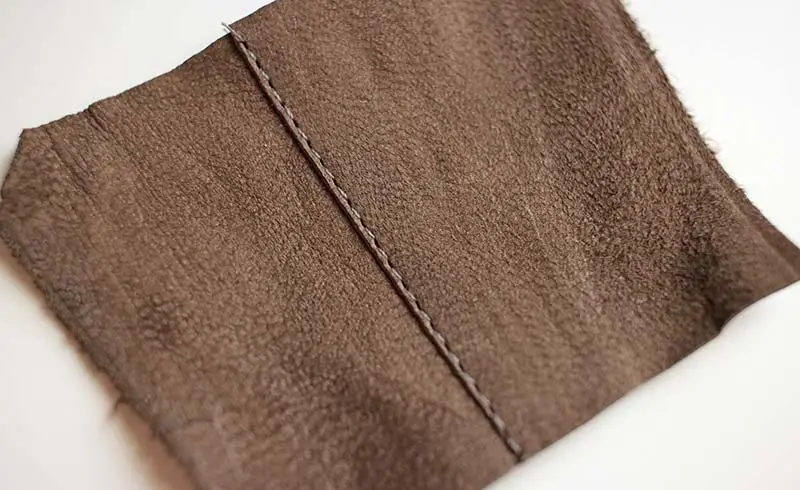
- Description: A seam where one piece of fabric overlaps the other, and the seam is stitched down to secure it.
- Uses: Used in garments like outerwear and workwear that need strength and durability.
- Key Feature: Simple to sew and provides a strong seam for heavy fabrics.
10. Princess Seam
- Description: A shaping seam that runs along the body’s curves (such as bust, waist, and hip) to create a fitted silhouette.
- Uses: Common in dresses, blouses, and coats where a tailored, feminine fit is desired.
- Key Feature: Provides a flattering, custom fit, especially for women's clothing.
conclusion
In conclusion, seam construction plays a crucial role in garment manufacturing, impacting not only the durability and functionality of the garment but also its appearance and comfort. Different seam techniques cater to various fabric types and design requirements, from simple plain seams to intricate French seams, each offering unique benefits. Choosing the right seam method enhances the overall quality of the garment, making it more aesthetically pleasing, comfortable, and durable. Therefore, mastering seam construction is key to ensuring the success of a garment in the production process.
Interested in Custom Manufacturing?
Yuelei Sport offers premium custom apparel manufacturing with low MOQs and exceptional quality control. We specialize in bringing your brand's unique designs to life with expert craftsmanship.
Contact Us Today